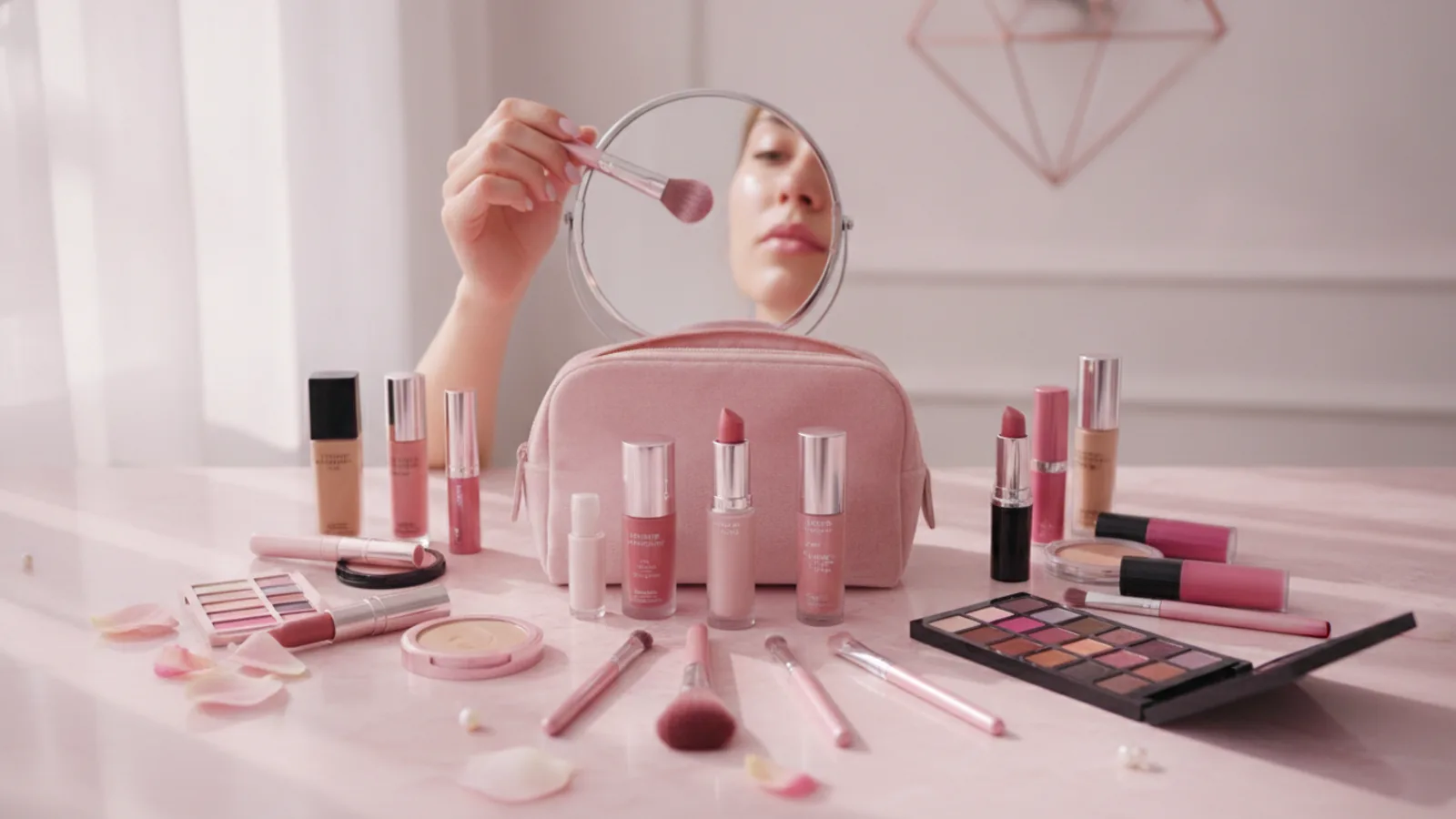
Clean Makeup Brands
A practical step-by-step guide to clean makeup brands, including preparation, instructions, common issues, tips, and next steps.

Clean Makeup Brands
Navigating the world of beauty can feel like a maze, especially when you're looking for products that align with your desire for a more thoughtful routine. This guide helps you understand what "clean makeup" means, how to spot genuinely transparent brands, and how to make informed choices that are right for you and your skin. If you're keen to understand ingredient lists, avoid misleading claims, and build a beauty bag filled with products you trust, this step-by-step process is for you.
Fast Answer
- Identify "clean" makeup: Look for transparency in ingredients, avoid personal red-list items, and consider certifications.
Before You Start
- Reliable internet access: For researching ingredients, brands, and certifications.
- A notebook or digital list: To track ingredients you want to avoid and brands you trust.
- An understanding of your skin's needs: Knowing what works for your skin type helps refine your search.
- A clear idea of your personal "clean" definition: As there's no single legal standard, your personal preferences matter most.
Step-by-Step Instructions
1. Define Your Personal "Clean" Guidelines
The first and most important step is to understand that "clean" can mean something different for everyone. Since there's no single legal standard, you need to decide what matters most to you. Begin by identifying specific ingredients you want to avoid in your makeup products. Common ingredients people often choose to steer clear of include parabens, phthalates, synthetic fragrances, sulfates (SLS/SLES), mineral oils, silicones, and certain dyes or preservatives.
Research why these ingredients are often highlighted. For instance, some people avoid parabens due to concerns about endocrine disruption, while others avoid synthetic fragrances due to potential skin irritation or allergy. Make a list of these "red-list" ingredients that are important for your personal health and skincare philosophy. This list will be your compass when you start reading product labels.
2. Learn to Read Ingredient Lists (INCI)
The key to making informed choices about clean makeup brands lies in your ability to understand ingredient lists. Most cosmetic products in the GB market will list ingredients using their International Nomenclature of Cosmetic Ingredients (INCI) names. These are standardised scientific names, which can look daunting at first, but are vital for clarity.
Ingredients are always listed in order of concentration, from the highest to the lowest. This means the first few ingredients make up the largest part of the product. Anything listed after 1% concentration can be in any order. Your red-list ingredients from Step 1 are what you'll be scanning for. Familiarise yourself with their INCI names – for example, instead of "perfume," you might see "Parfum" or a list of individual fragrance compounds.
3. Identify Reliable Certifications and Seals
While "clean" isn't legally defined, several independent organisations offer certifications that can help you identify brands committed to specific standards. These certifications act as third-party endorsements that a product or brand meets certain criteria, often related to ingredient sourcing, manufacturing processes, or ethical practices.
Look for seals such as Leaping Bunny for cruelty-free status, meaning no animal testing was involved in any stage of product development. For natural and organic claims, certifications like Ecocert, COSMOS Organic, or the Soil Association Organic standard (relevant in GB) provide a framework for ingredient purity and sustainable practices. Each certification has its own strict guidelines, so understanding what each one represents can help align products with your values. These seals are usually displayed prominently on product packaging or brand websites.
4. Utilise Online Resources and Ingredient Checker Apps
The internet is a powerful tool for deciphering clean makeup claims. Many websites and mobile applications are designed to analyse ingredient lists for you. These tools often have databases of thousands of ingredients and can flag potential irritants, allergens, or ingredients of concern based on scientific research and regulatory guidelines.
To use these effectively, simply input the product's full ingredient list (you can often copy-paste it from a brand's website or type it in manually). The app or site will then break down each ingredient, explain its purpose, and highlight any potential issues. Use these tools as a guide, but always cross-reference information. Remember that even these apps have their own criteria, which might not perfectly match your personal "clean" definition.
5. Research Brand Transparency and Ethos
Beyond individual product ingredients, consider the overall transparency and ethos of the clean makeup brands you're looking into. Truly transparent brands will openly share information about their ingredient sourcing, manufacturing processes, and commitment to environmental or social responsibility. Look for dedicated sections on their websites detailing their "free-from" lists, sustainability initiatives, and ethical practices.
Brands that are genuinely committed to clean beauty will often go beyond just listing ingredients. They might explain why they choose certain ingredients, how they ensure purity, and what steps they take to minimise their environmental footprint. If a brand's claims feel vague or lack specific details, it might be a sign of "greenwashing" – using eco-friendly language without genuine substance. A brand that engages with customer questions and openly shares its journey is often a good sign.
6. Patch Test New Clean Makeup Products
Once you've identified potential clean makeup products based on their ingredients and brand transparency, the next crucial step is to patch test them. This is essential for any new beauty product, regardless of its "clean" status, as even natural ingredients can cause allergic reactions or sensitivities in some individuals.
To patch test, apply a small amount of the new product to an inconspicuous area of your skin, such as behind your ear or on your inner forearm. Leave it on for at least 24 to 48 hours, without washing it off, to observe any reactions. Look for redness, itching, swelling, or any other signs of irritation. If no reaction occurs, you can then proceed to use the product on your face or target area with more confidence. This simple step can prevent widespread irritation and help you confirm compatibility.
7. Consider Packaging and Sustainability
For many, the concept of "clean" extends beyond just ingredients to include the environmental impact of a product. As you explore clean makeup brands, also consider their packaging choices and overall sustainability efforts. Look for brands that use recycled, recyclable, or biodegradable materials. Some brands offer refillable options for popular products, which significantly reduces waste over time.
Beyond the physical packaging, research if the brand has broader sustainability initiatives. Do they use renewable energy in their manufacturing? Do they support fair trade practices in ingredient sourcing? Do they have a clear plan for reducing their carbon footprint? While not directly related to the "cleanliness" of ingredients on your skin, these factors contribute to a more holistic understanding of a truly responsible and thoughtful beauty brand. This extra layer of research helps you support brands that align with your wider ethical values.
8. Build Your Clean Makeup Collection Gradually
Transitioning to clean makeup doesn't have to happen overnight. It can be an overwhelming and expensive process if you try to replace everything in your makeup bag at once. Instead, adopt a gradual approach. As your current makeup products run out, take the opportunity to research and replace them with clean alternatives that meet your newly defined criteria.
Start with products you use daily or that cover larger areas of your skin, such as foundation, concealer, or primer. Then move on to items like mascara, lipstick, and eyeshadow. This method allows you to slowly integrate new products, giving you time to observe how your skin reacts and to adjust your personal "clean" guidelines as you learn more. It also helps spread the cost and effort of research, making the transition enjoyable and sustainable.
Quick Reference
| Situation | Use this | Why |
|---|---|---|
| Unsure about an ingredient | Consult an ingredient checker app/website. | Provides quick analysis and flags potential concerns based on databases. |
| Concerned about animal testing | Look for the Leaping Bunny certification. | Indicates a brand's commitment to cruelty-free practices. |
| Vague "natural" claims by a brand | Check for third-party organic certifications (e.g., Ecocert, Soil Association). | Verifies natural/organic content against strict, independent standards. |
| New to a "clean" product | Always perform a patch test for 24-48 hours. | Identifies potential skin sensitivities before full application. |
| Overwhelmed by ingredient lists | Focus on your top 3-5 personal "red-list" ingredients first. | Makes the process manageable and less daunting. |
Common Problems When You Seek Clean Makeup Brands
Diving into the world of clean makeup can present a few hurdles. Knowing what these are in advance can help you navigate them more smoothly and avoid frustration.
Information Overload and Ingredient Confusion
Problem: The sheer volume of information about ingredients, potential toxins, and conflicting studies can be overwhelming. It's easy to get lost in complex scientific names (INCI) and feel unsure about what to genuinely avoid.
Fix: As mentioned in Step 1, start small. Focus on a very short list of ingredients that you personally want to avoid first, perhaps 3-5 key ones that are widely discussed (like parabens, phthalates, or synthetic fragrance). Gradually expand your knowledge as you become more comfortable. Don't try to master every single ingredient overnight. Reputable ingredient analysis apps can help, but remember they are tools, not ultimate authorities.
Spotting "Greenwashing"
Problem: Many brands use buzzwords like "natural," "eco-friendly," "pure," or "clean" without truly adhering to strict clean beauty principles. This marketing tactic, known as greenwashing, makes it hard to distinguish genuinely transparent brands from those simply jumping on a trend.
Fix: Look for substance over style. A truly clean brand will provide clear, detailed information about its ingredient sourcing, manufacturing processes, and "free-from" lists on its website. They won't just use vague terms. Seek out third-party certifications (as discussed in Step 3) and check independent reviews or clean beauty resources that scrutinise brand claims. If a brand offers no specifics, just pretty language, be wary.
Limited Availability or Higher Price Points
Problem: You might find that some clean makeup brands are not as readily available in mainstream shops, or their products come with a higher price tag compared to conventional options. This can make building a clean routine feel inaccessible.
Fix: Expand your search to online retailers specialising in clean or natural beauty. Many independent brands operate primarily online. Regarding price, remember that smaller, more ethical productions, higher-quality ingredients, and transparent sourcing can contribute to increased costs. Consider starting with essential items, or look for sales and starter kits. Sometimes, investing in a slightly more expensive product that truly aligns with your values and skin needs is more cost-effective in the long run than repeatedly buying cheaper alternatives that don't satisfy.
Product Performance Expectations
Problem: Sometimes, products from clean makeup brands might have different textures, scents, or staying power compared to their conventional counterparts. This can lead to disappointment if you expect an identical performance.
Fix: Adjust your expectations. "Clean" formulations often omit certain silicones, synthetic polymers, or heavy fragrances that contribute to specific sensory experiences or long-wear properties in conventional makeup. Be open to new textures (e.g., a more balm-like foundation, a less intensely scented lipstick). Read reviews specifically addressing product performance for clean alternatives, and remember that personal preference plays a huge role. Give new products a fair chance and time for your skin to adapt.
Advanced Tips for Clean Makeup Brands
Once you're comfortable with the basics of identifying clean makeup, you might want to deepen your understanding and refine your routine even further. These advanced tips can help you become a true expert in conscious beauty choices.
Deep Dive into Ingredient Categories
Instead of just avoiding individual ingredients, start researching entire categories. For example, delve into different types of preservatives (are some better than others?), emulsifiers, or solvents. Understanding the purpose of various ingredient groups and the pros and cons of their "cleaner" alternatives will give you a more nuanced perspective. This knowledge helps you appreciate the complexities of formulation and why brands make certain choices. You might discover that some commonly flagged ingredients actually have important functions and benign profiles at certain concentrations, or that seemingly "natural" alternatives can also cause issues for sensitive skin.
Connect with Clean Beauty Communities
Engage with online forums, social media groups, or blogs dedicated to clean beauty in the GB market. These communities are excellent resources for sharing insights, learning about new brands, and understanding specific ingredient concerns. You can ask questions, share your own experiences, and benefit from collective knowledge. Just be mindful to always verify information and form your own conclusions, as personal opinions can vary widely. It’s a great way to stay updated on emerging brands, new regulations (if any), and practical tips from fellow enthusiasts.
Understand Ingredient Synergies and Formulations
Beyond individual ingredients, consider how they interact within a formula. Some ingredients might be problematic on their own, but when combined with others, their effects can be neutralised or even beneficial. Conversely, some combinations can enhance irritation. While you don't need to become a cosmetic chemist, understanding that a product's overall formulation matters more than just a single "bad" ingredient can shift your perspective. This often comes with experience and by observing how different products affect your skin. Pay attention to how a brand explains their formulation philosophy.
Create a Personalised "Ingredient Watch List"
Instead of just a static "avoid list," develop a dynamic "watch list" of ingredients you want to monitor. These might be ingredients that are new to the market, have conflicting research, or are generally considered safe but you personally want to limit. This proactive approach helps you stay ahead of new developments in cosmetic science and allows you to adjust your clean beauty standards over time, making your routine truly bespoke to your evolving understanding and skin needs.
Audit Your Entire Routine for "Clean" Integration
Expand your clean beauty audit beyond just makeup. Look at your skincare, hair care, body care, and even home cleaning products. Many of the same principles for ingredient scrutiny apply across different categories. A truly clean lifestyle often means considering the impact of all products you use. This holistic approach ensures consistency in your choices and can significantly reduce your overall exposure to ingredients you prefer to avoid.
Clean Makeup Brands FAQ
Q: Is "clean makeup" a legally regulated term in the GB?
A: No, "clean makeup" is not a legally regulated term in the GB, nor in most other countries. It is primarily a marketing term used by brands to signify their commitment to avoiding certain ingredients that are often perceived as harmful or undesirable by consumers. This is why defining your *personal* criteria for "clean" is so important.
Q: Are natural ingredients always safe or better for my skin?
A: Not necessarily. While many natural ingredients are beneficial, "natural" does not automatically mean safe or superior. Many natural ingredients can cause allergic reactions, irritations, or sensitivities in some individuals (e.g., essential oils, certain plant extracts). Conversely, some synthetic ingredients are perfectly safe and effective. The key is to look at the specific ingredient, its concentration, and your skin's unique response.
Q: Is clean makeup always more expensive than conventional makeup?
A: Clean makeup can sometimes come with a higher price tag due to factors like sourcing high-quality ingredients, ethical manufacturing processes, smaller batch production, and extensive testing to ensure safety without certain conventional preservatives. However, this is not always the case, and an increasing number of affordable clean makeup options are becoming available. It pays to research and compare.
Q: How can I tell if a brand is truly ethical, beyond just clean ingredients?
A: To gauge a brand's overall ethical stance, look for transparency in several areas:
- Supply Chain: Do they provide details about where their ingredients come from and if they ensure fair labour practices?
- Cruelty-Free Status: Do they have recognised certifications like Leaping Bunny?
- Sustainability: What are their commitments to reducing environmental impact (e.g., packaging, waste, energy)?
- Social Responsibility: Do they support any causes or give back to communities?
Q: What's the biggest challenge when switching to clean makeup?
A: For many, the biggest challenge is overcoming the initial information overload and the fear of making the "wrong" choice. The lack of a universal definition for "clean" can also be confusing. The best way to overcome this is to educate yourself gradually, focus on your personal priorities, and be patient with the process of finding what works best for you.
Final Checklist for Clean Makeup Brands
Before you confidently make your next clean makeup purchase, run through this quick checklist:
- Defined your personal "red-list" ingredients? You know what you want to avoid.
- Practised reading INCI lists? You can identify key ingredients on a label.
- Checked for relevant certifications? You've looked for seals like Leaping Bunny, Ecocert, or Soil Association where applicable.
- Utilised online resources or ingredient checker apps? You've cross-referenced product ingredients.
- Researched brand transparency? You've looked for clear information on sourcing and ethos.
- Planned to patch test any new products? You're prepared to ensure skin compatibility.
- Considered packaging and sustainability? Your choice aligns with wider environmental values.
- Adopted a gradual approach to switching? You're replacing items thoughtfully over time.
By following these steps, you're not just buying makeup; you're investing in a more informed, conscious beauty routine that aligns with your values. Happy exploring!